Bespoke profile & finish
What makes wood such a natural choice for doors? Learn how warmth, craftsmanship, and care come together.
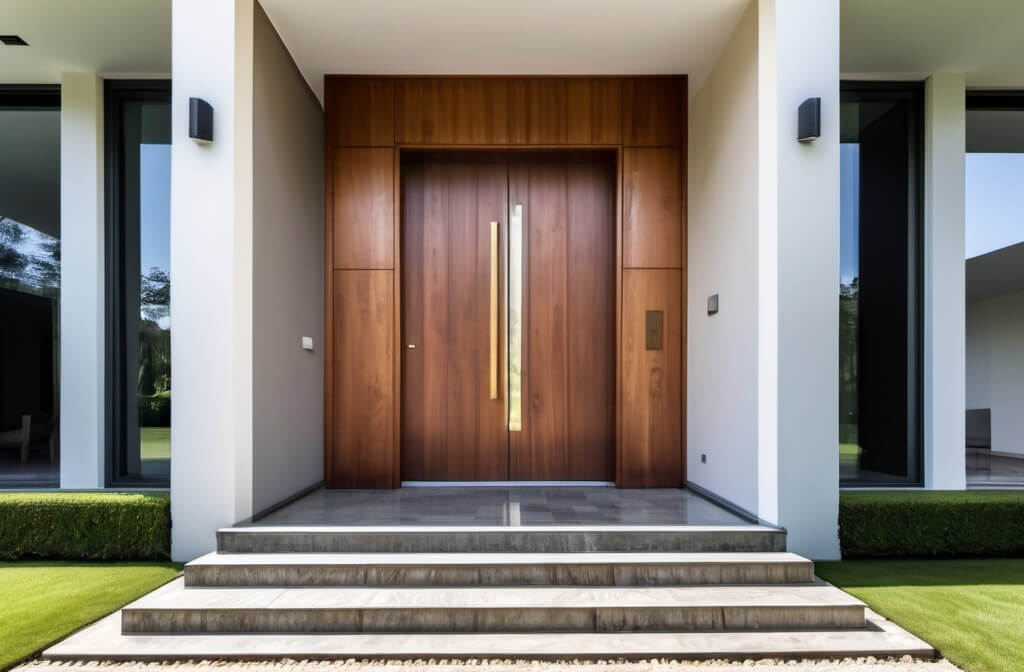 Wooden doors
What makes wood such a natural choice for doors? Learn how warmth, craftsmanship, and care come together.
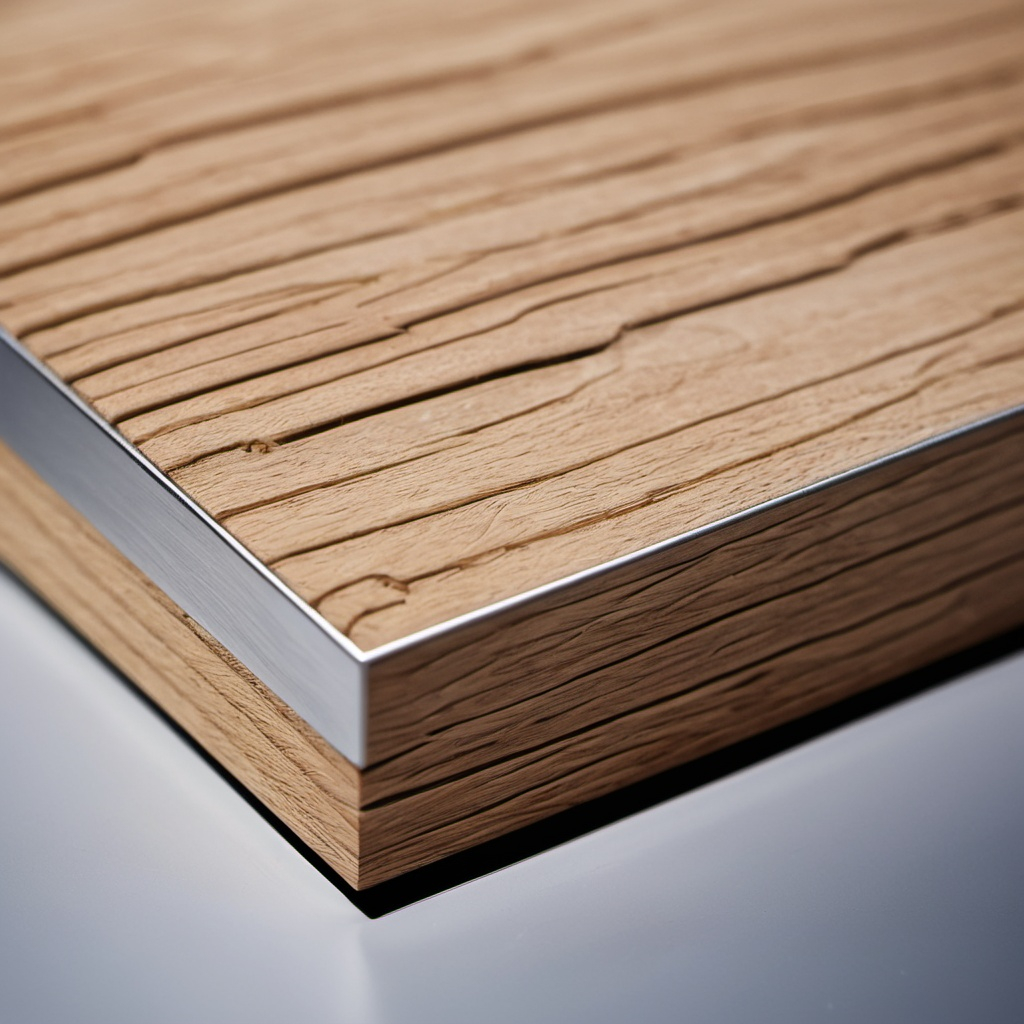
Wood is the only door material that ages gracefully — it develops a patina over time, adding depth and authenticity that other materials can't match.
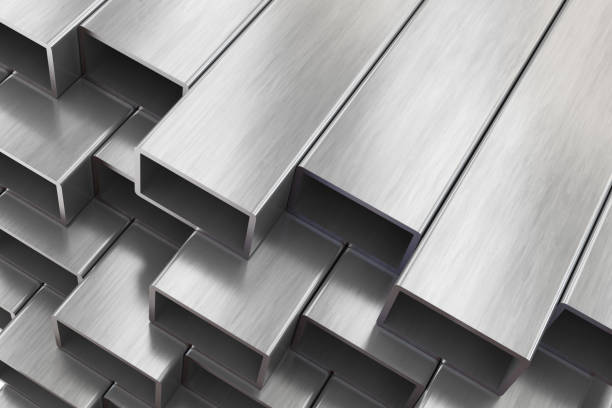
Wood insulates 5–8× better than aluminum. That means less heat loss in winter, cooler interiors in summer, and lower energy bills year-round.
Sound travels slower through solid timber. Wooden doors dampen street noise and create the quiet, private spaces people actually want.
A well-maintained wooden door outlasts aluminum and steel. Certified hardwoods resist warping and decay; finishes protect against weather and wear.
Our wood comes from responsibly managed forests. Renewable, carbon-neutral, and biodegradable — the eco-friendly choice for conscious builders.
Every project is drawn, engineered and built to order — these are ideas to start the conversation.
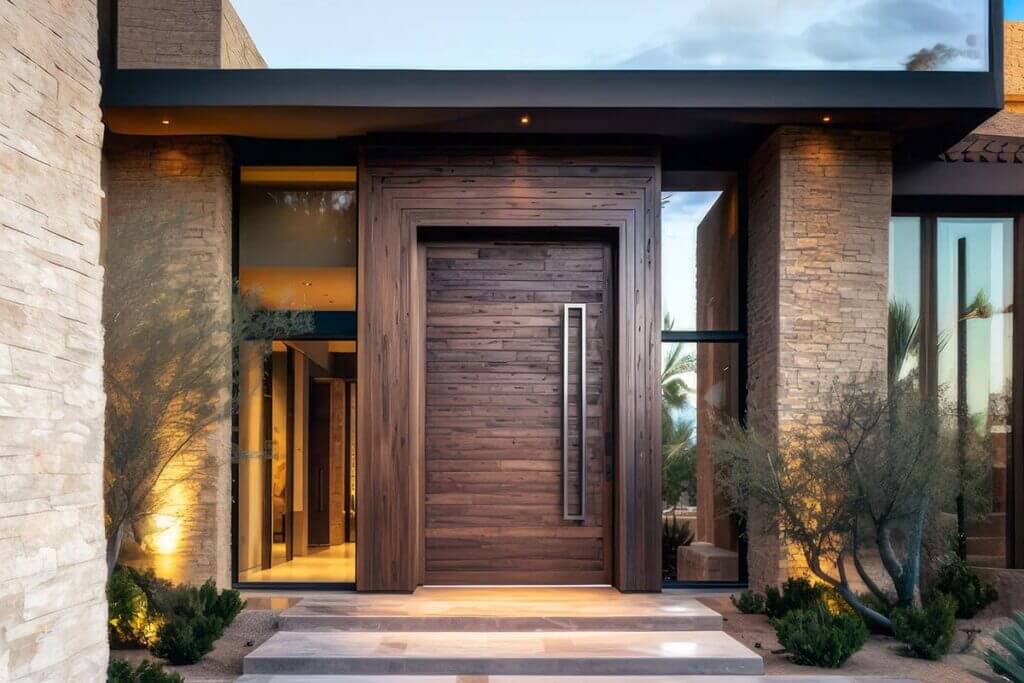
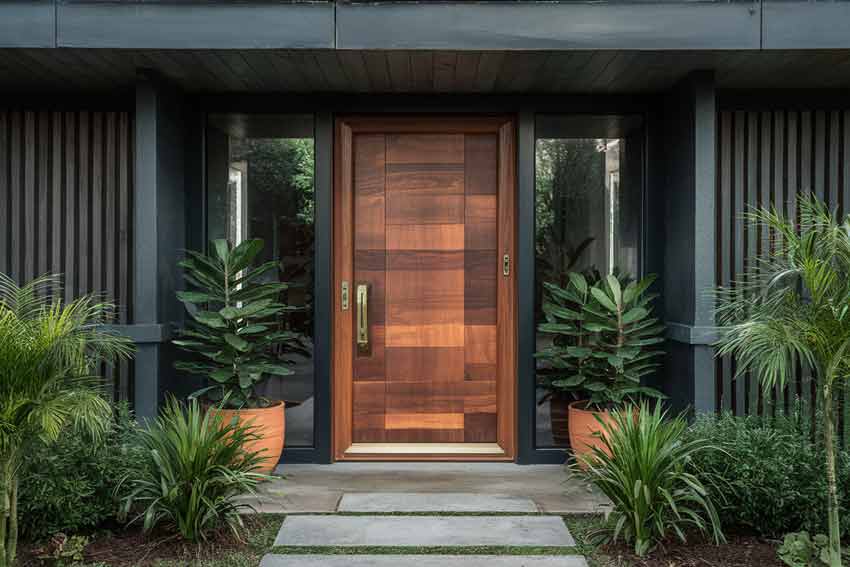
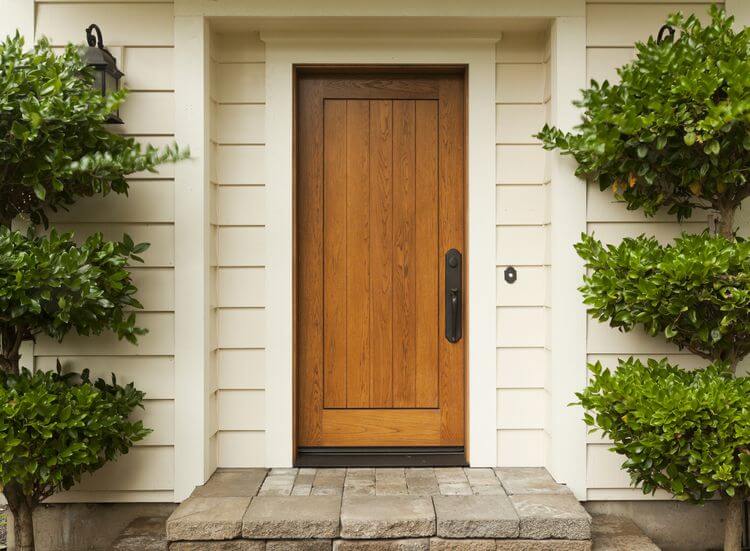
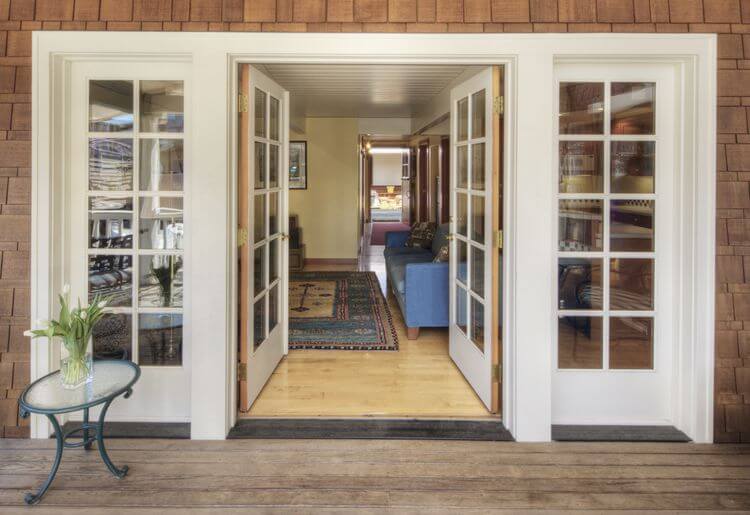
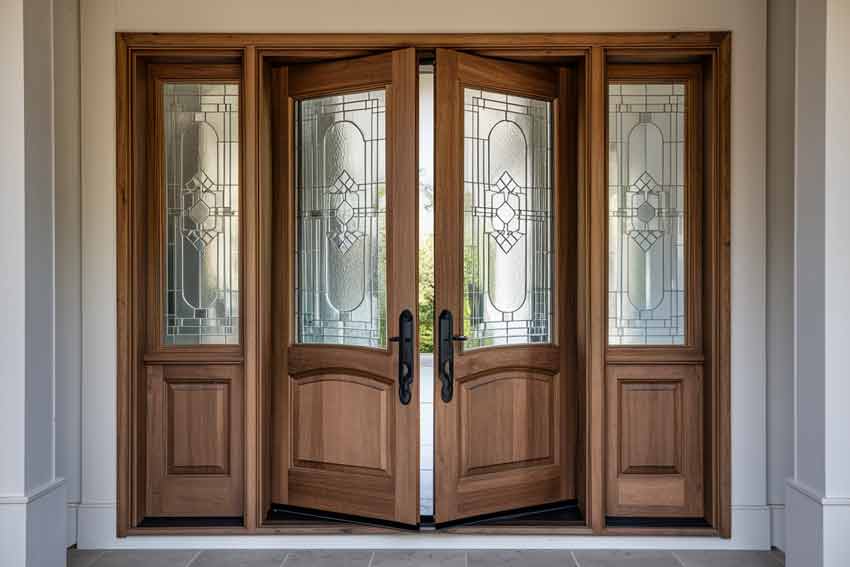
Examples to spark ideas — every piece is made to measure, never off-the-shelf.
Wood is a natural insulator. Its cellular structure is full of tiny air pockets that slow heat down — so the frame itself holds warmth, no engineering required.
Touch matters. Wood is warm to the hand — literally a better thermal conductor than cold aluminum or steel. That physical warmth carries psychological comfort: it signals home, craftsmanship, care. Visitors notice the difference before they step inside.
The technical detail that matters when you specify.
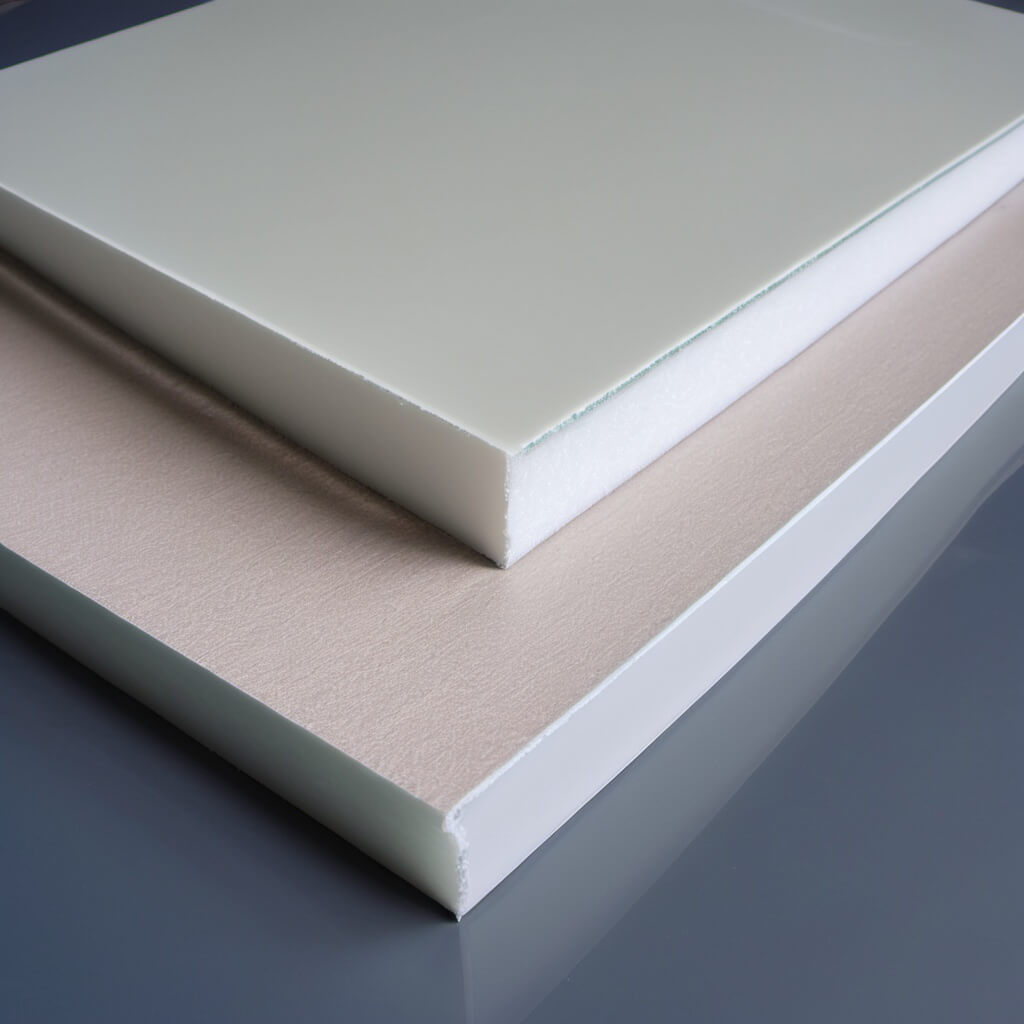
Fewer drafts, quieter rooms, warmer hands. Wood doesn't conduct cold like metal does.
Insulation reduces HVAC load. Soundproofing adds bonus quiet — priceless in cities.
Unlike aluminum or plastic, wood develops a patina. Each year adds story, never looks dated.
FSC-certified timber from responsibly managed forests. Biodegradable, not landfill waste.
Every door is made-to-order. Fit, style, and performance tailored to your home and climate.
A few of the finishes you can choose — swatches for inspiration, matched to your project.
Each material has its strengths. Explore the others to find the perfect fit for your project.
A wooden door with quality glazing and weatherstripping stops about 85% of heat transfer. In practice: fewer drafts, no frost buildup, less air-conditioning load. A typical family saves $200–500/year, depending on climate and door size.
Solid timber absorbs sound better than hollow frames. A thick wooden door (45–50mm) with acoustic glazing cuts street noise by 30–40 dB. Perfect if you're on a busy road.
Properly cared for, 40–60 years or more. Oak and mahogany are dense hardwoods that resist decay. Certified timber comes pre-treated; weatherproof finishes protect grain and color. Without maintenance: 10–15 years. With it: generations.
Annual inspection for cracks, peeling finish, or soft spots. Every 2–3 years, sand and re-seal exterior surfaces or apply new varnish. Interior doors need less. Budget 2–4 hours per year per door, plus $30–150 in materials. It's not complicated, just consistent.
**Oak**: density and grain make it durable. Classic, ages well. **Mahogany**: richer tones, finer grain, slightly more expensive. Tropical, so source responsibly. **Ash & Beech**: lighter, for modern designs. Less dense, need more protection. **Pine & Spruce**: budget-friendly, for interior doors. Softer, require careful finishing. Aluclear sources FSC-certified timber — choose based on style, budget, and local climate.
Tell us about your space, your style and your priorities — we'll help you choose the profile, glazing and finishes that fit, with a free quote.
Get a free quote
Ready to start your project?
Configure your windows, doors or glazing in a few clicks and get an instant price estimate.
Get a Quote →